
Bearing Replacement & Repair
Bearing Replacement
When a slewing bearing has reached the end of its service life or starts showing signs of serious problems like unusual noises or even seizing up, it might be time for a replacement. If an inspection reveals that repairing the bearing is not feasible or would be too costly, replacing it becomes the best option.
However, if the issue is limited to a specific part, such as worn seals, damaged rolling elements, or a single worn ring, you can replace just that component instead of the entire bearing. We offer remote support to guide you through these replacements, whether it’s complimentary or at a reasonable cost, depending on your situation.
When installing a new bearing, consider the specific wear or damage in the old one. This insight allows for an optimized design in the replacement bearing, enhancing its performance and extending its lifespan.
Bearing Repair
When a slewing bearing shows signs of damage, the first step is to conduct a thorough inspection and measurement to understand the extent of the issue. The results of this assessment will guide the development of a specific repair plan tailored to address the identified problems.
Inspection and Measurement Before Repair:
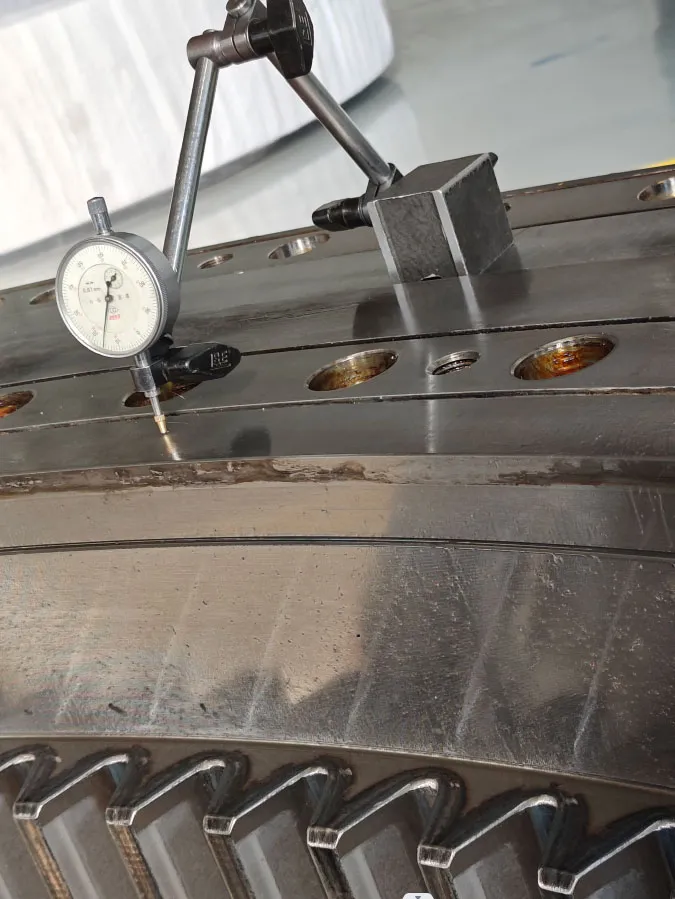
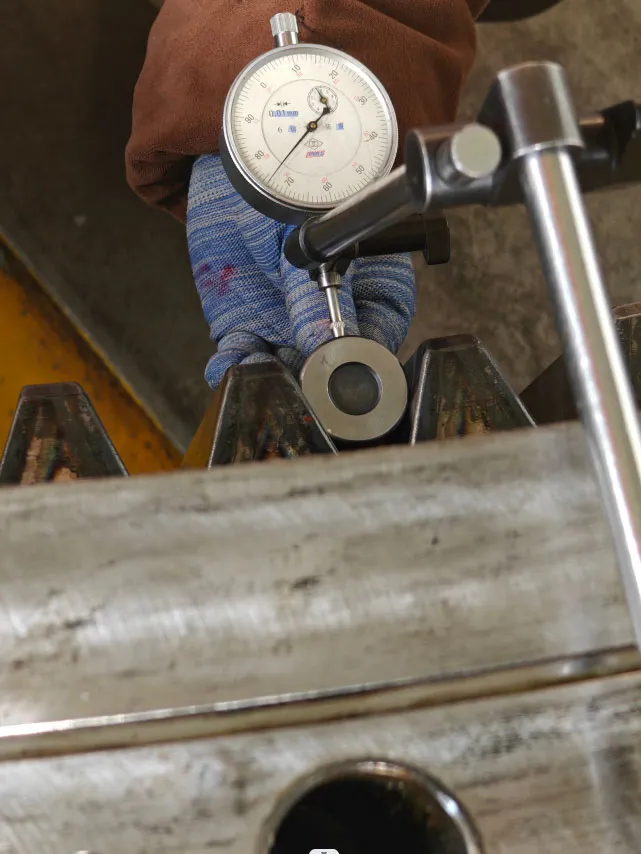
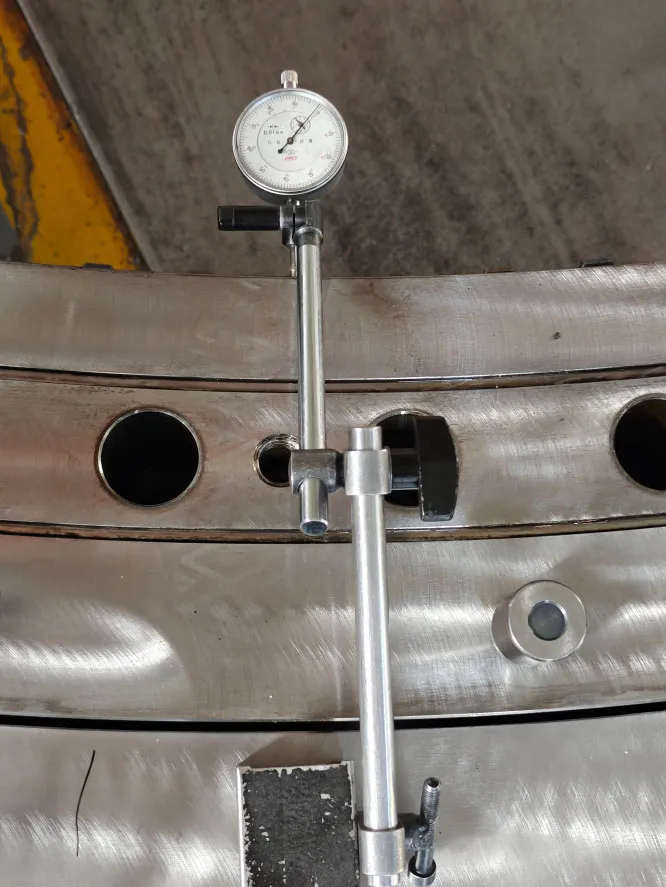
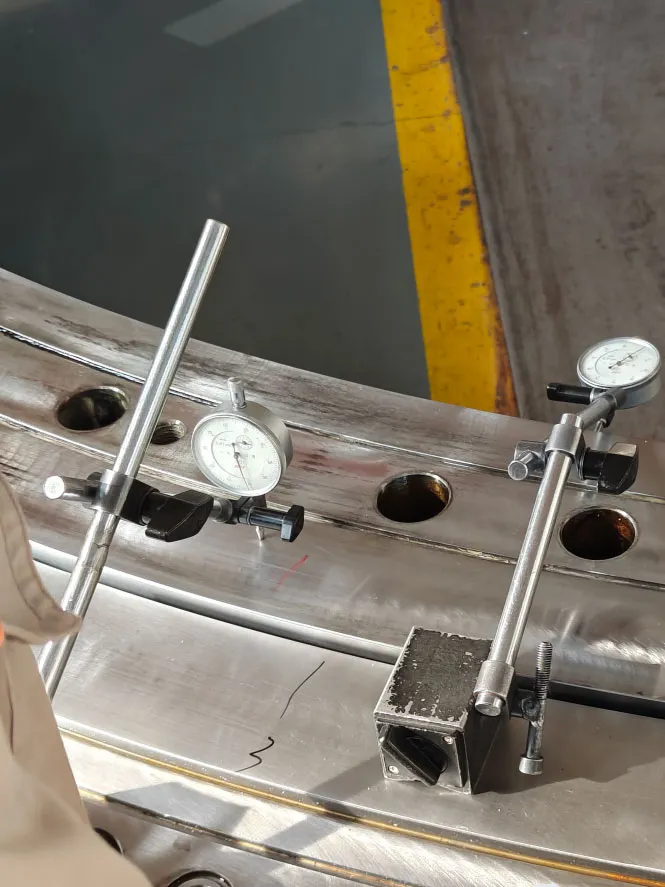
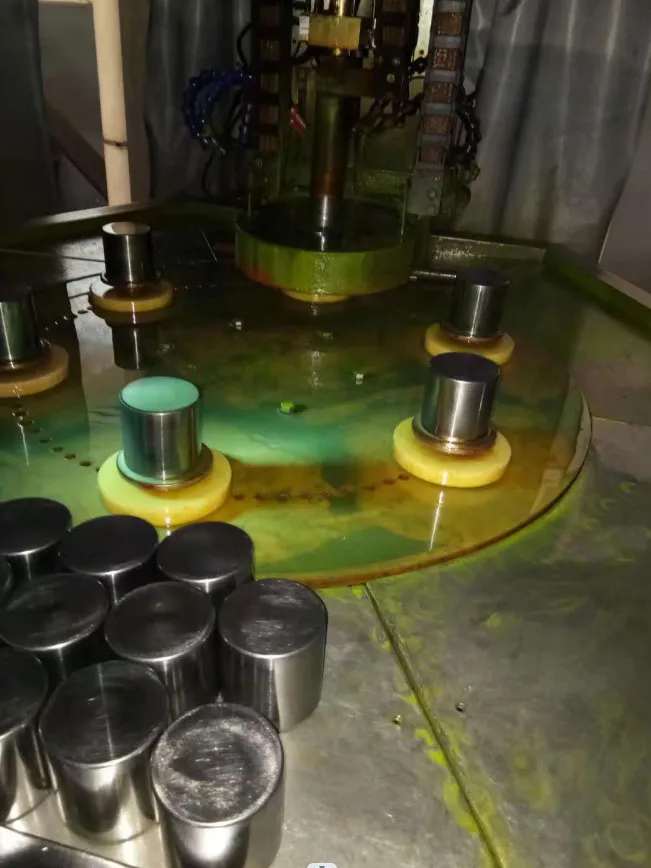
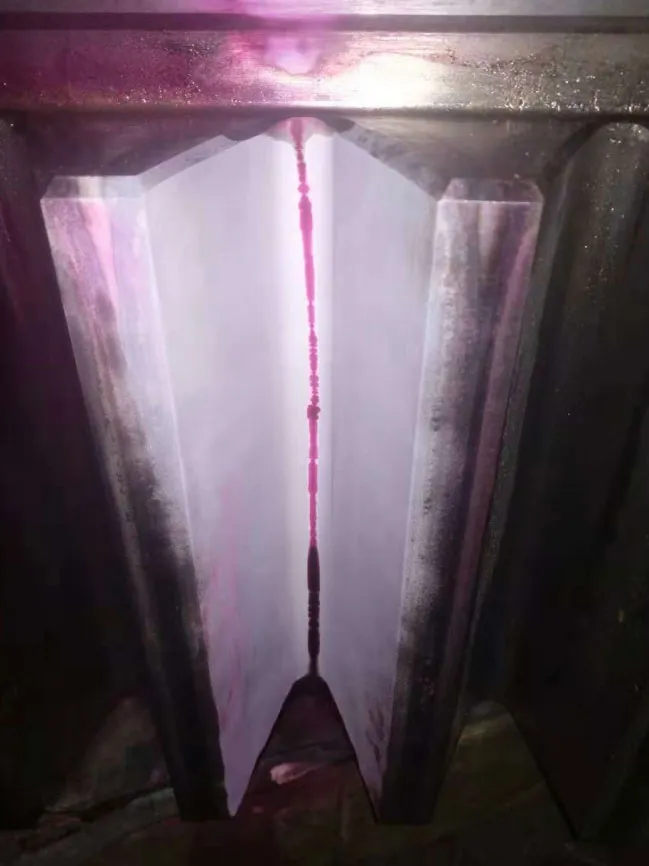
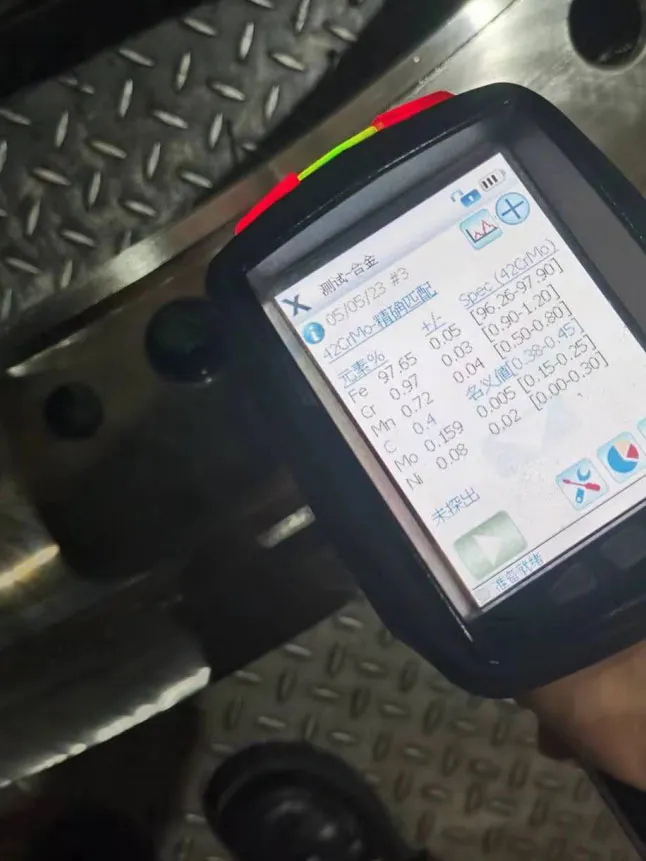
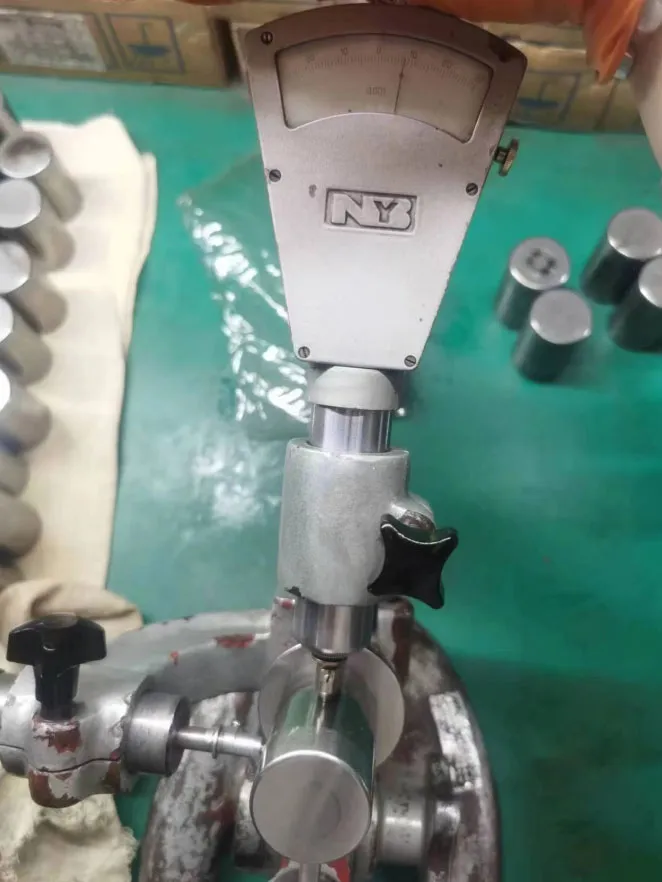
- The process includes checking the bearing's rotation accuracy, measuring dimensions, and conducting defect inspections such as Ultrasonic Testing (UT) and Magnetic Particle Testing (MT)
- If the customer has the capability to perform these inspections, they can provide us with their report, and we will use that to create a repair plan
- If the customer is unable to conduct these inspections, they can entrust the task to us. Depending on the situation, we may charge a fee for this service
Detailed Inspection Process: