

Bearing Inspection & Maintenance
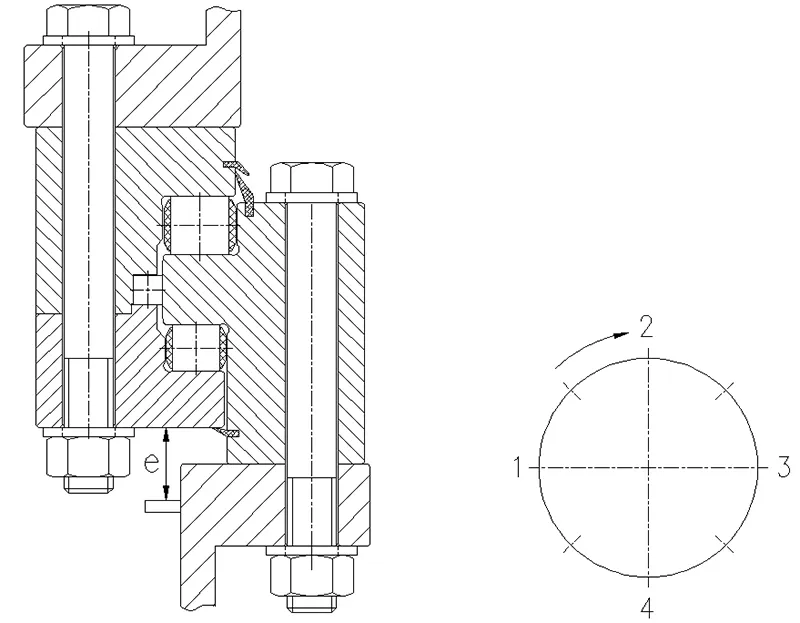
Bearings or slewing bearings are crucial components in any machinery, playing a vital role in ensuring smooth and efficient operation. These components are necessary for the movement and functioning of various mechanical systems. Because they are so integral to machinery, it's essential to regularly inspect and maintain them to ensure they continue to operate effectively. Regular inspections help identify potential issues early, allowing you to address them before they become serious problems. This not only improves the overall efficiency of the machinery but also extends the lifespan of the bearings themselves, preventing costly breakdowns and ensuring reliable performance over time.
Inspection of fastening bolts
- After about 100 hours of operation, check the tightness of the bolts on the inner and outer rings. After that, inspect them every 500 hours to make sure they maintain the right amount of pre-tension
- If you notice anything unusual, like strange noises, vibrations, or a sudden increase in power usage, stop the machine immediately to check for any problems. If needed, disassemble the bearing for a closer look
- Keep an eye on the seals, too. If they're damaged or have shifted out of place, fix or replace them as soon as possible
Lubrication
- Your bearings come with a small amount of grease already applied, but before using them, make sure to add fresh grease according to the specific working conditions
- After installation, add the appropriate grease while rotating the bearing to ensure it spreads evenly. Reapply grease every 50-100 hours, or more frequently if the environment is particularly hot or dusty. Also, make sure to lubricate before long periods of inactivity and when restarting the machine
Tooth surface cleaning
- Make sure no hard debris gets near the gear mesh area. Clean the gear teeth every 10 days and apply grease to keep everything running smoothly
Inspection of seals
- Regularly check the seals, as they are exposed to the environment. If they are damaged or have come loose, fix or replace them immediately
Monitoring bearing wear
- You can monitor wear by measuring how much the inner and outer rings have shifted in relation to each other. If the wear exceeds the recommended limits, it's time to replace the bearing.